Preserving the Art of Sand Buffing
Why We Refuse to Cut Corners in Silver Craftsmanship
In an era driven by automation and speed, true craftsmanship is increasingly defined by what others choose to leave behind.
At British Silverware, our dedication to perfection means preserving rare, traditional techniques that give our pieces their distinctive depth and brilliance. Chief among these is sand buffing - a meticulous finishing process that most manufacturers abandoned in the last century as a cost-cutting measure.
What is Sand Buffing?
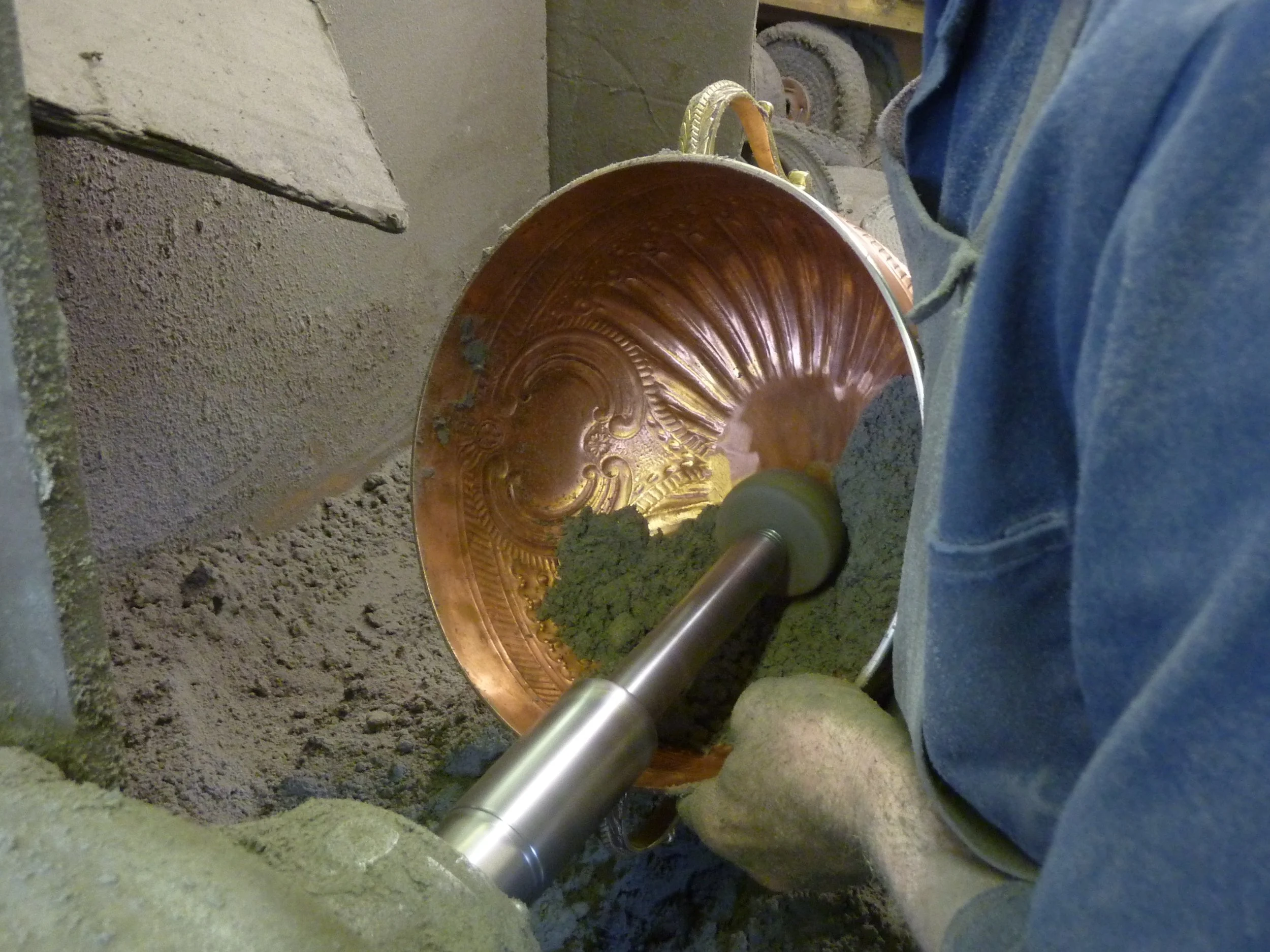
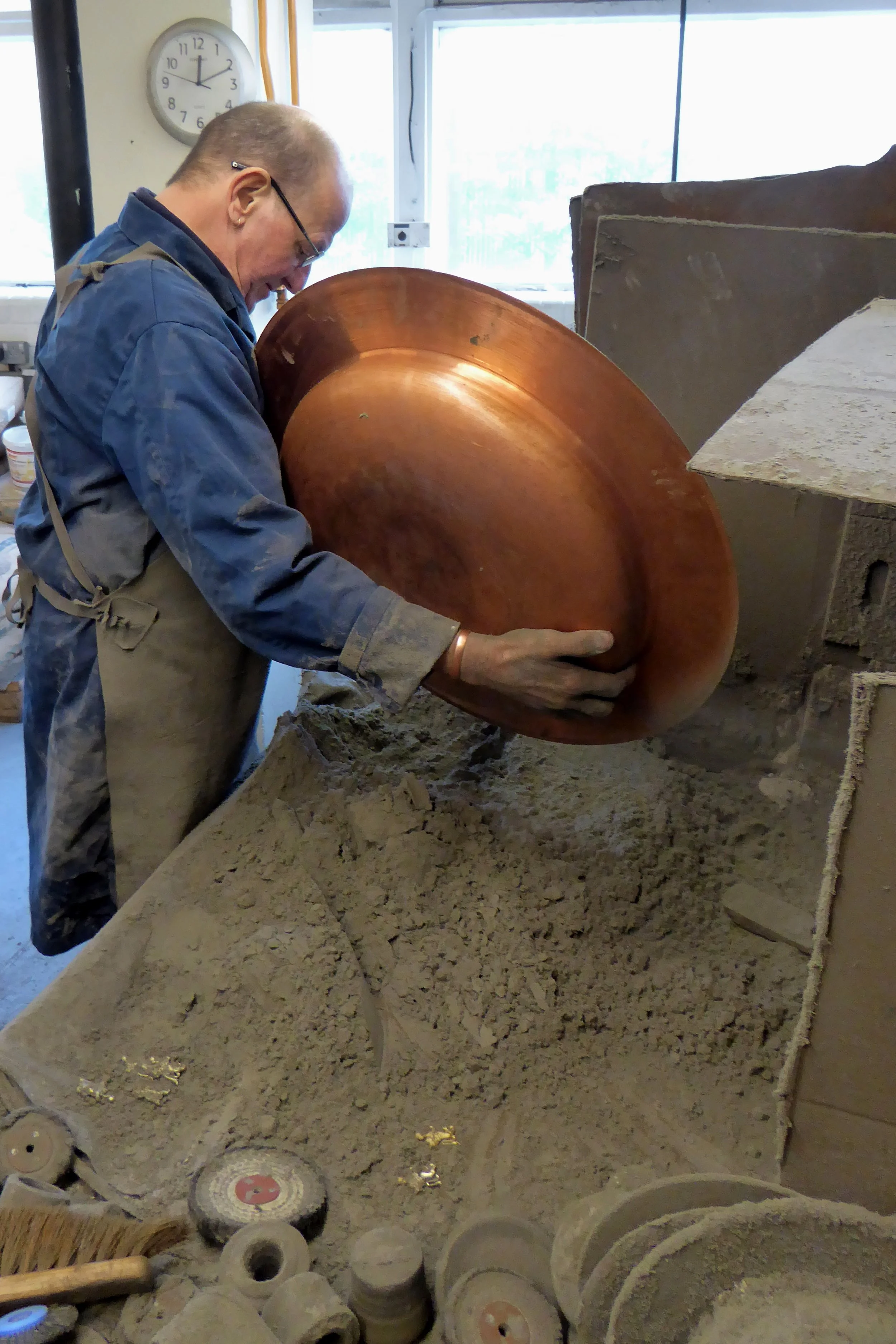
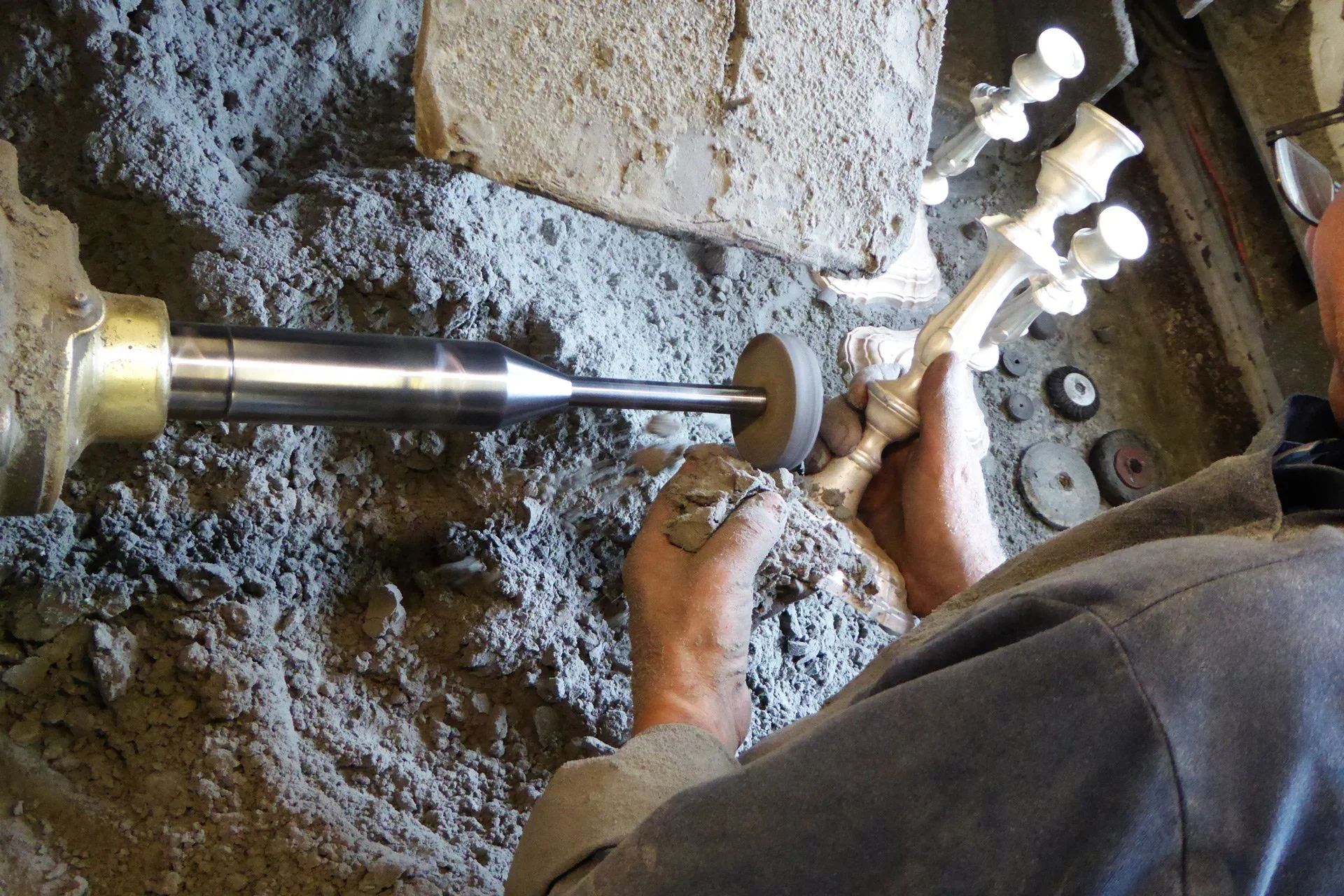
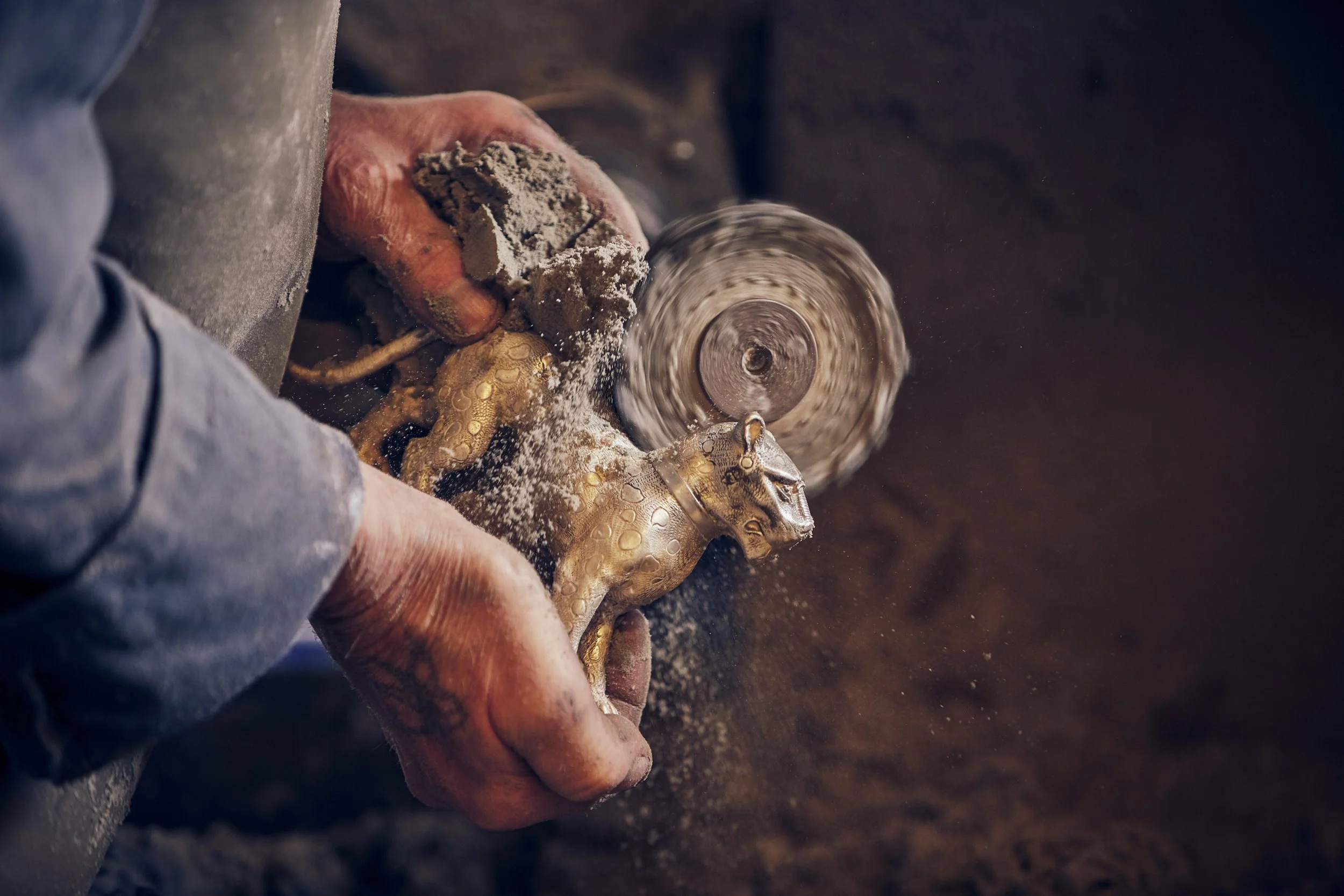
Sand buffing relies on a simple yet highly skilled formula: fine, ground pumice stone combined with natural oil. When applied to rotating buffing wheels by an experienced craftsperson, this compound creates a smooth, subtle abrasive action.
Unlike modern automated polishing, which can mute fine details or leave tiny surface imperfections, sand buffing carefully prepares the metal, levelling surfaces seamlessly without altering the crisp lines of intricate pieces - whether on delicate flatware or large, complex holloware.
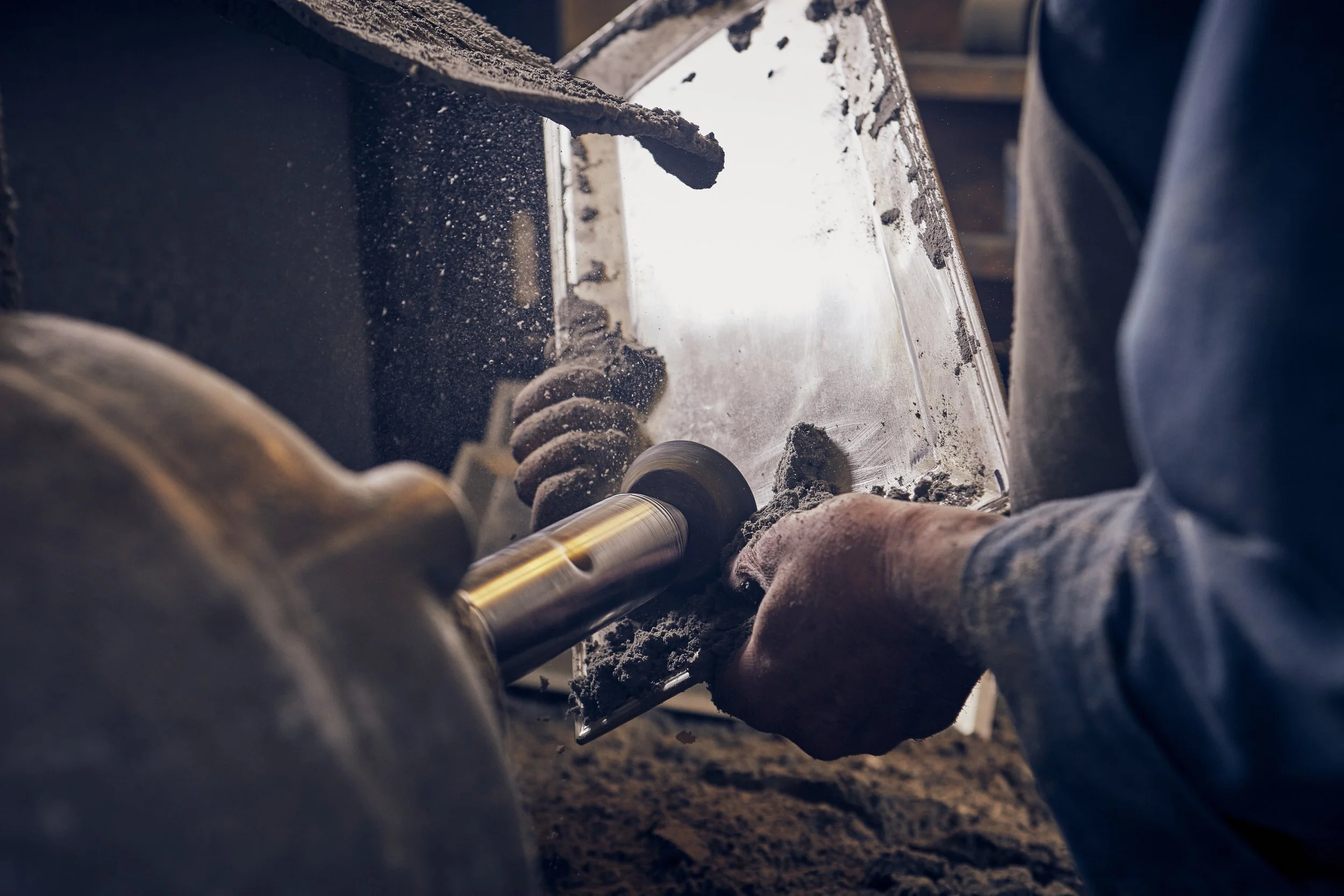
Why We Keep the Tradition Alive
We believe we are one of the very last silverware manufacturers to retain sand buffing as a core standard in our workshops. While removing this labour-intensive stage would save time and expense, it would compromise the standard of quality we aspire to.
Every piece of silverware that leaves our workshop carries the legacy of British craft - where perfection isn't rushed, and no corners are ever cut.
For more information or to enquire about our handcrafted silverware please get in touch.